

No products in the cart.
I Reviewed Stake Casino Font Sizes Across Sections Legibility in Canada

I performed a typographic review on stakecasino. My main query was simple: does the text on the site make things easy for players, or does it hinder? I examined how consistent and readable the font sizes were in all the major sections.
Overall Accessibility and User Experience Impact
My take is that Stake employs font sizes to steer you to where it wants you to go. Places where you’re meant to engage—like game tiles, odds, and the bet slip—are highly readable. Background or administrative info often gets reduced.
For a typical user with good vision, this provides a smooth, game-focused experience. But it does create some small barriers. Anyone with less-than-perfect eyesight might experience the smaller menu text, filters, and especially the terms and conditions a real struggle.
The site’s high contrast and clean font are big advantages. If they enlarged the size of that secondary text by just a pixel or two, it would become the platform more welcoming for everyone, without changing its modern look. The basics are solid. They just require to polish the details.
Sportsbook Odds and Betting Ticket Clarity
The sportsbook crams in a massive amount of data. Odds for many events are shown in compact tables. The odds themselves are in a heavy, distinct font that makes comparing numbers fast. Team names and league info are slightly smaller, but remain readable.
I was struck by the bet slip. It’s a example of good design. Everything you need to know—your stake, potential payout, the odds—is laid out in a clear, well-spaced format with noticeable size differences. The “Place Bet” button is big and difficult to miss. This section shows they grasp how to use type for a critical task.
Interactive Casino Layout and Live Text
The live casino needs to process text atop a live video feed. Information like the croupier’s name, the game state, and wagering limits are superimposed on the stream. The font sizes here are functional and largely work well.
Key details, like betting info and chip values, are bold and big enough to make out in a split second. The chat box is a different story. Its font is very small. In a rapid game, chat is not the priority, but this font size may stop people from joining the conversation. The interface obviously puts game data first.
Promotional Pages and Terms & Conditions
This is where Stake’s typography executes a total about-face. Headlines and bonus amounts on promo pages are enormous, colorful, and designed to attract you. They do their job perfectly.
Next you select the “Terms and Conditions” link. That vital legal text is in a far smaller, compact paragraph format. The lines extend very far across the page. While the contrast satisfies basic standards, going through it for more than a minute becomes a chore. This vast gap between the thrilling offer and the fine print is a classic industry move, but it’s still worth noting.
My Process for Measuring Stake’s Typography
I logged into Stake from my desktop in Canada, using a standard 1080p monitor. I picked four areas to examine closely: the main navigation, the game lobby, the live casino, and the promo pages. To get exact numbers, I utilized my browser’s developer tools to check pixel sizes and contrast levels.
My assessment for readability was practical. Could I skim a page and find what I needed without squinting? Could I effortlessly read game rules or my bet slip? I also paid attention to how the site used different font sizes and weights to guide my eyes to the most important content.
Global Navigation and Menu Readability
The primary menus use a sleek, sans-serif typeface. Big tabs like “Sports,” “Casino,” and “Live Casino” are in a prominent, clear size that’s easy to notice. But when you get to additional links and your account balance, the text becomes smaller.
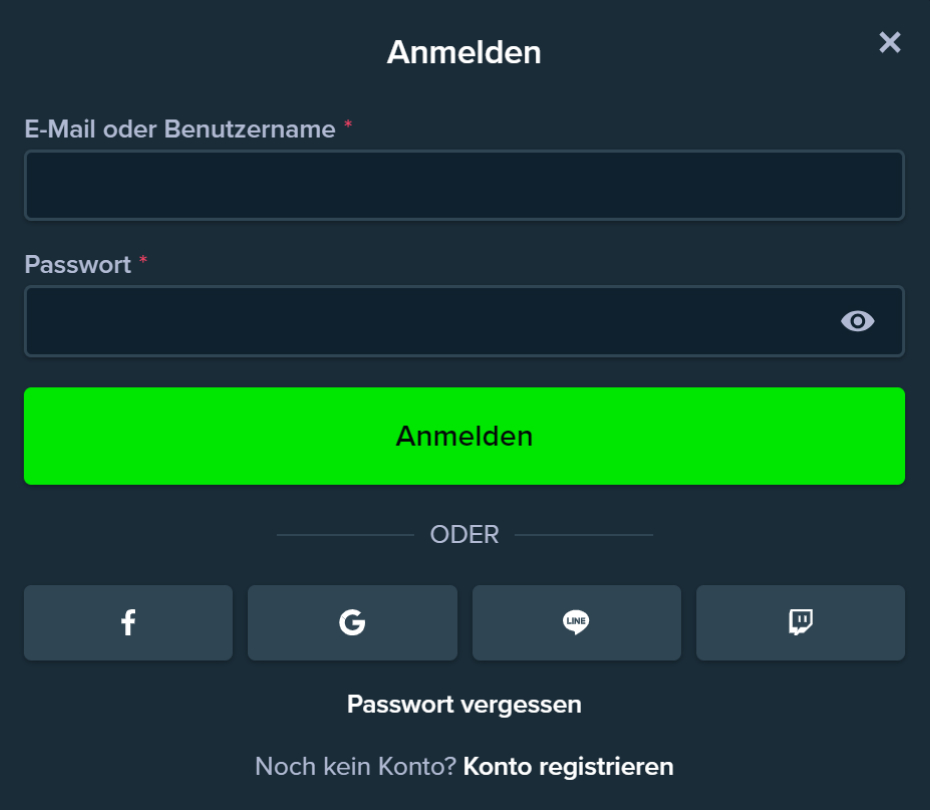
This does establish a visual pecking order. The downside is that checking your balance requires a bit more concentration. That value could be a bit bigger without messing up the site’s sleek, dark look. I will say, the white text on the dark background is crisp and pleasant to look at.
Game Selection and Tile Text Analysis
The game lobby feels crowded. Game thumbnails are the main focus, with each title placed on the image. The font size for these titles is mostly fine. What stood out was the inconsistent approach.
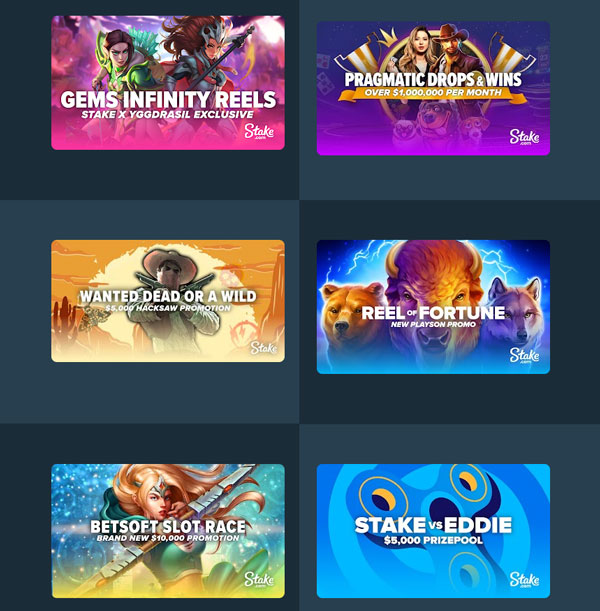
Some game providers opt for heavier type than others, which gives the layout a bit uneven. The “Provider” filter menu is the real problem—its text is very small. When you’re trying to find a specific provider, that minuscule font costs you time. Bumping up the size a little would be very beneficial.
- Game Titles: Mostly legible, but the thumbnail background can sometimes interfere.
- Provider Filters: The font size needs to be larger for fast navigation.
- Category Headers: Solid, bold size that neatly divides sections.
- Search Result Text: The size is acceptable, but the lines are too close together.
Frequently Asked Questions
What made you concentrate on font sizes in this review?
Font size is a fundamental part of website operation. It controls the speed at which you can obtain information and take choices. On a betting site like Stake, where pace and clarity matter, readability has a direct influence on if you enjoy a pleasant experience or become annoyed.
Did you uncover any major accessibility concerns?
I didn’t find complete breakdowns, but there exist clear problem areas. The tiny text in filter menus and the mass of fine print in the Terms and Conditions are challenging. They don’t follow the top recommendations for easy reading, and that might exclude some users.
Which Stake section has the best readability?
The sports betting odds and the betting slip are the most clear. They use a well-designed blend of font sizes and font weights to display complex numbers in a clean way. This layout helps avoid mistakes when you’re placing a bet, which is just what you require.
Would you recommend Stake based on this typographic analysis?
If your vision is average, Stake’s layout works well and appears attractive. The site does a great job emphasizing the data you need to play. I’d recommend it, with one condition: if you usually prefer larger text, you could find parts of the menu system and the terms difficult to read.
